The Buddha's Teachings, Tested by Practice and Science
The Buddha’s Three Core Insights – Why They Matter in Today’s Busy World.
The Buddha taught that all things are impermanent (Anicca), that clinging to them brings suffering (Dukkha), and that what we call “self” is not a fixed entity (Anattā). He analyzed experience into five constantly changing aggregates (Pañcakkhandhā) and explained how suffering arises and ends through Dependent Origination (Paticca-samuppāda). These are not beliefs, they are observations to be verified in your own experience. In a world of distraction and dissatisfaction, they offer a path to clarity, peace, and freedom.
The Buddha’s teachings are not meant to be believed, they are meant to be seen. Mindfulness is clear, non-reactive awareness. Insight meditation uses that awareness to observe body, feelings, mind, and mental objects as they arise and pass. Through this practice, the Three Characteristics, the Five Aggregates, and Dependent Origination become living realities, verified in your own experience. The Mahasi Sayadaw method offers a simple, precise technique of mental noting to develop this direct seeing.
Why it matters today – We live in an age of distraction, reactivity, and dissatisfaction. Mindfulness and insight meditation offer a way to see clearly, understand suffering, and interrupt its cycle at the root. This is not relaxation, it is investigation. Not escape, but waking up to life.
The Modern Science - What Research Is Beginning to Show
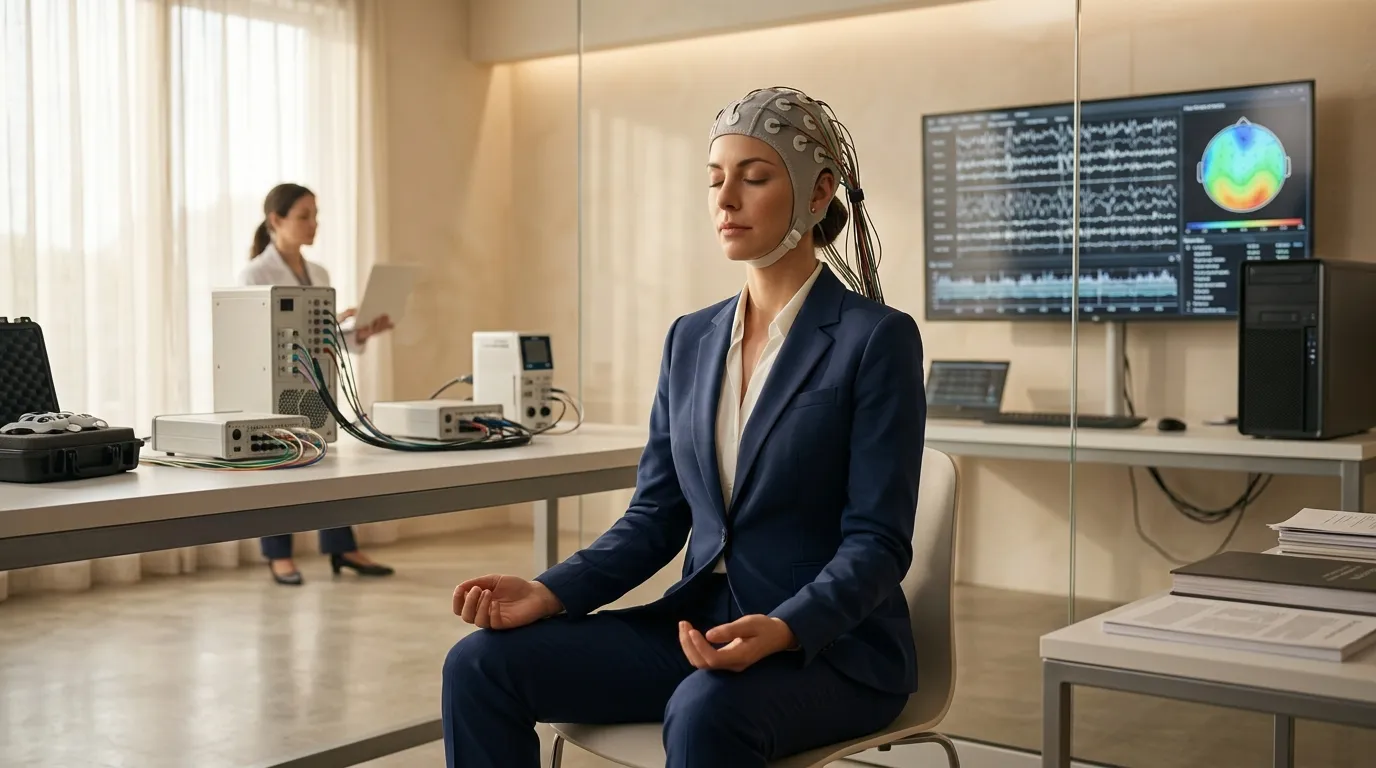
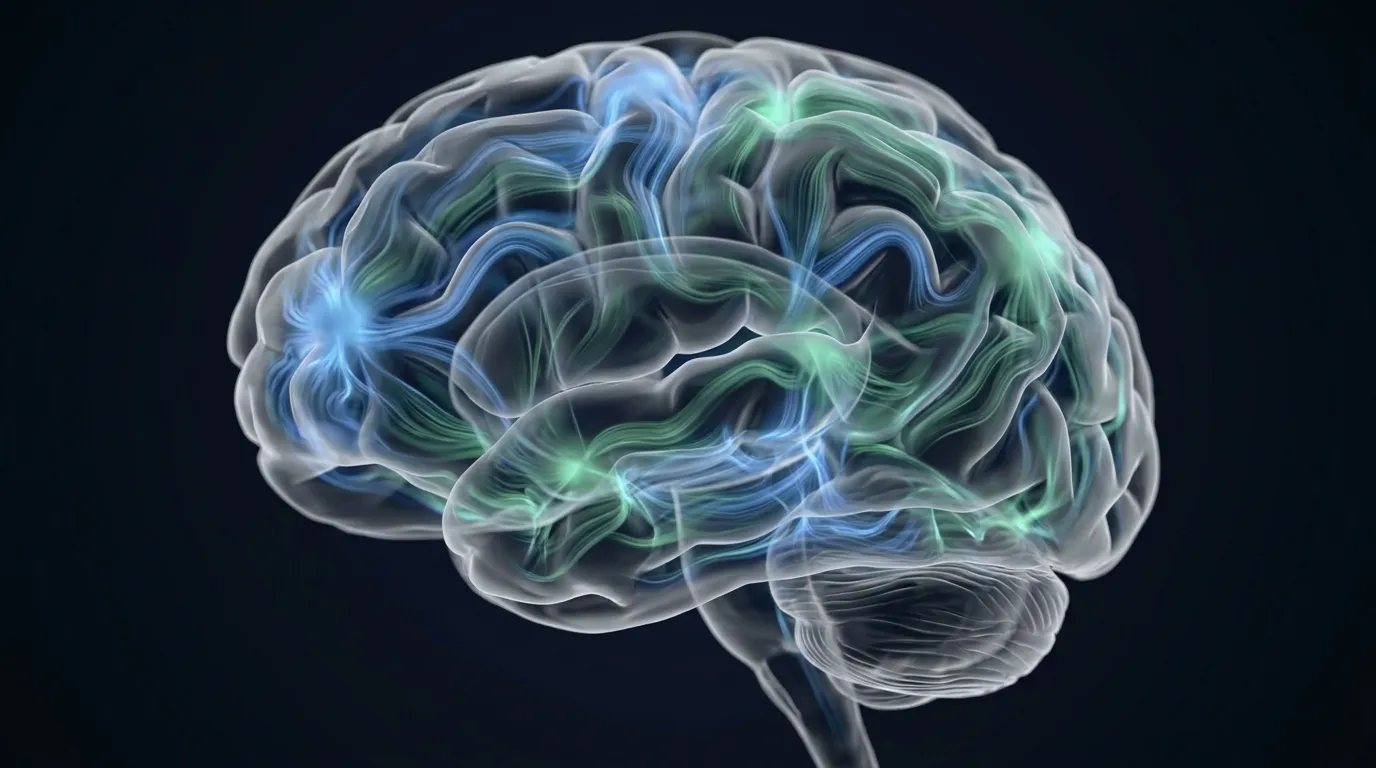
Modern science is beginning to map what meditators have reported for millennia. Brain imaging shows that long-term practice alters activity in regions involved in attention, self-processing, and emotional regulation. EEG reveals changes in brainwave patterns. Psychological studies document reductions in reactivity, anxiety, and rumination. We are not going to “prove” Buddhism or measure nibbāna. But it shows that the claims of insight meditation are open to empirical investigation. Where ancient practice and modern science converge, we take note. Where they diverge, we say so honestly.
The Evidence Map - Where Teachings, Practice and Science Converge
The Evidence Map links each of the Buddha’s core teachings to specific insight meditation instructions and peer-reviewed scientific research. Filter by teaching, by practice stage, or by scientific domain. See where ancient text, living practice, and modern lab converge, and where questions remain open.